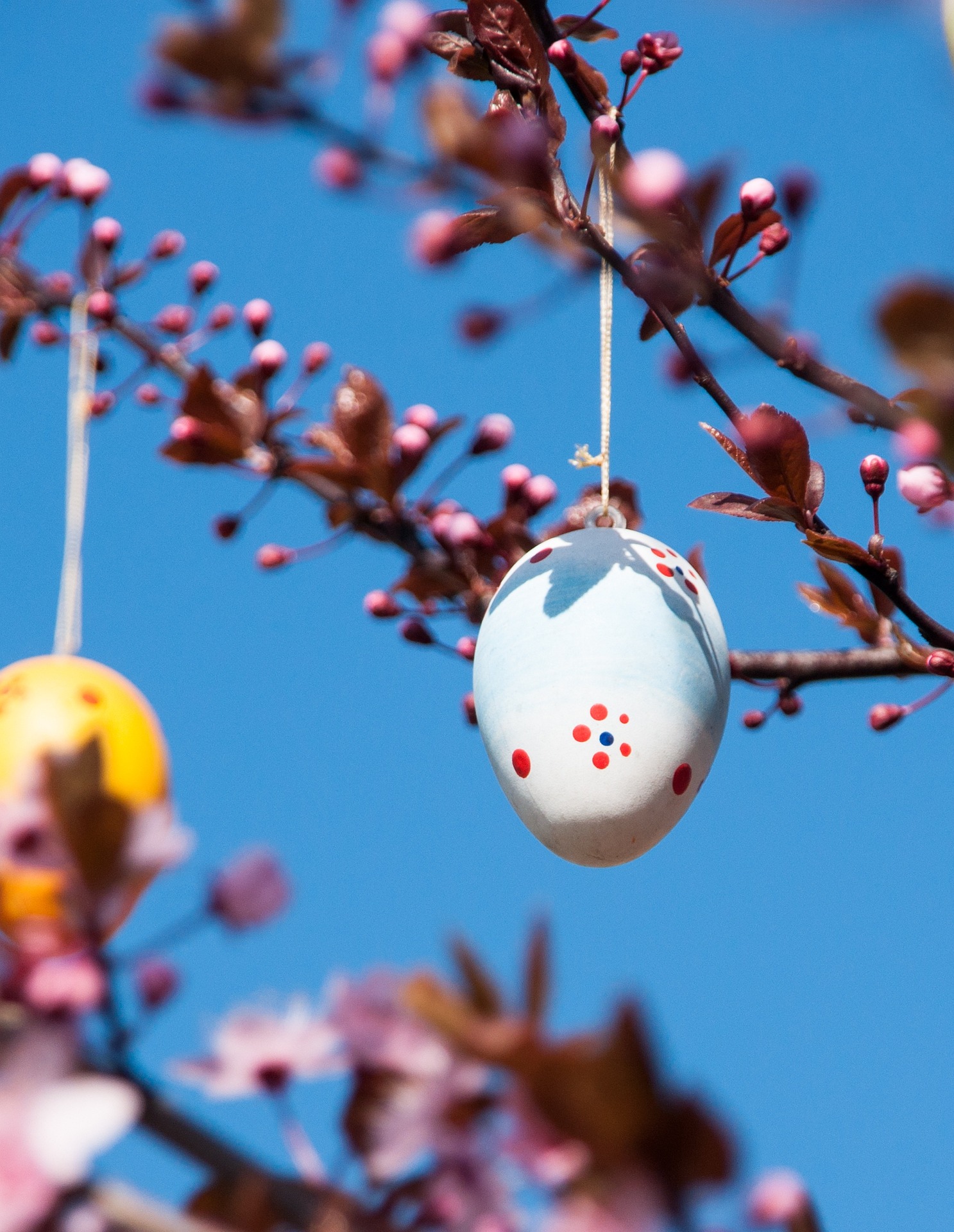
In Poland the week running up to Easter, Holy Week is known as Wielki Tydzień – the Great Week. It reflects the most important and most ceremonial part of the year in the Catholic Church. Easter – Wielkanoc is literally the ‘Great Night’ of Jesus’ resurrection. As the drama of the Easter story develops, many areas of Poland keep the old traditions. Most are only remembered in folk tales but some surprising ones remain. They don’t all include eggs either.
Niedziela Palmowa – Palm Sunday
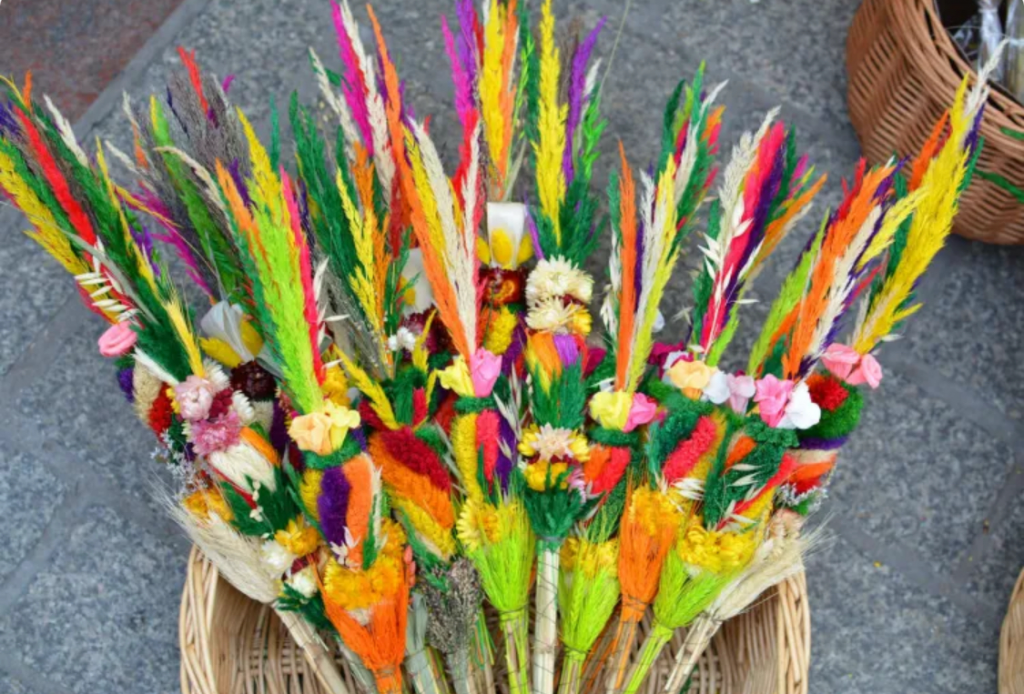
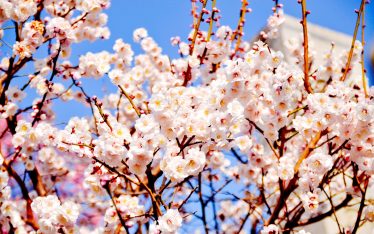
Palm Sunday starts the week with colourful ‘palms’ made of pussy willow, box green and crepe paper flowers. These symbolise the palms with which Jesus was greeted on his arrival into Jerusalem and are blessed. They form a holy element which protect homes and fields from evil spirits, lightening and fire.
Three days of preparation
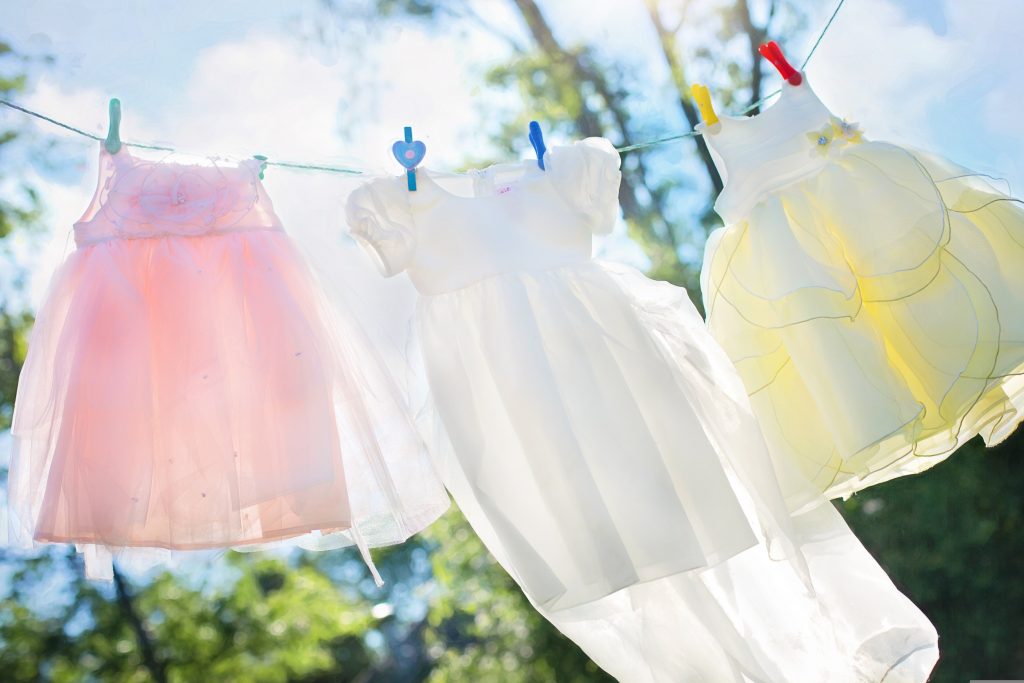
Tradition denotes that by Easter Sunday everything should be cleansed. Cleansing of the spirit – soul, body, the home and surroundings. So even if you’ve spent all of Lent cleaning – this is your last chance to roll up your sleeves for the finale.
Wielki Czwartek – Holy Thursday
Holy Thursday, denoting the Last Supper, was once called Dzień Czerniowy – the Day of Thorns marking the end of Lent and the beginning of the Easter Triduum. As a sign of mourning, church bells fall silent until Holy Saturday.
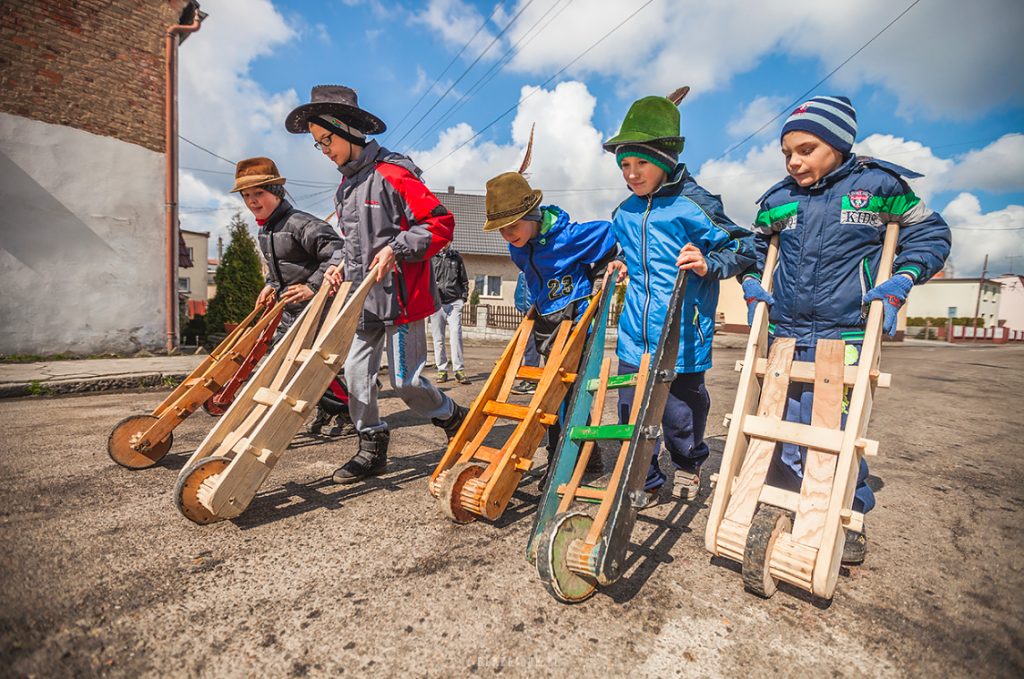
To prevent villages from falling into complete silence, however, boys still run around the church with wooden rattles. Clearly the larger the better. This wards off evil spirits, which can become active if too much quiet reigns.
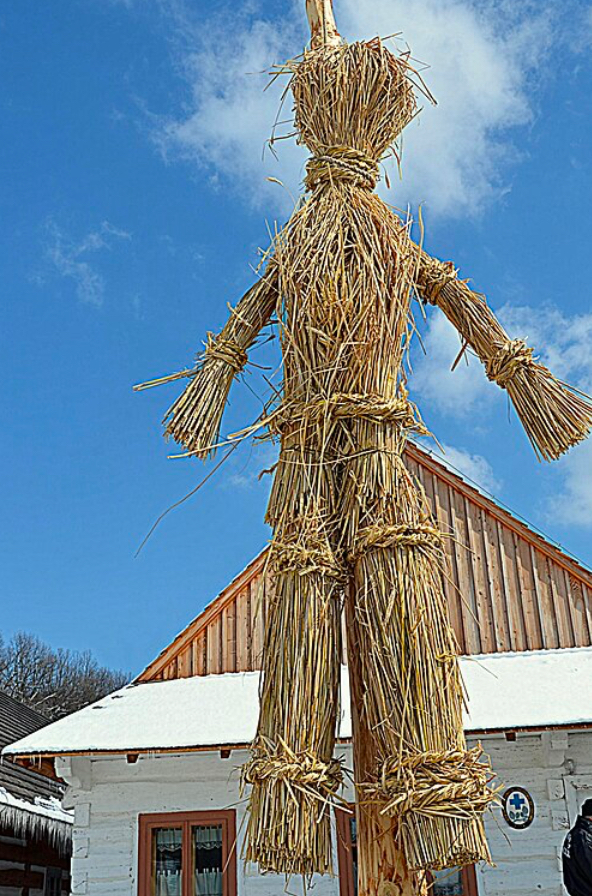
The day of the Last Supper was dominated in some areas by the burning of Judas the traitor, as here in Sanok, southeast Poland. No doubt based on the pagan rite of drowning or burning a straw “Marzanna” signifying winter’s end, often still carried out in spring.
Wielki Piątek – Good Friday
On Good Friday, villagers would stop their clocks, cover mirrors and speak quietly. Mass is not celebrated in the Catholic Church, but the passion of Christ is observed.
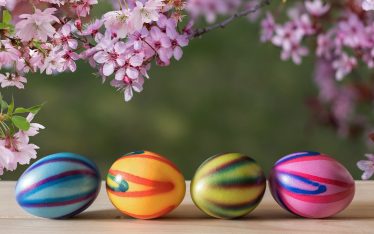
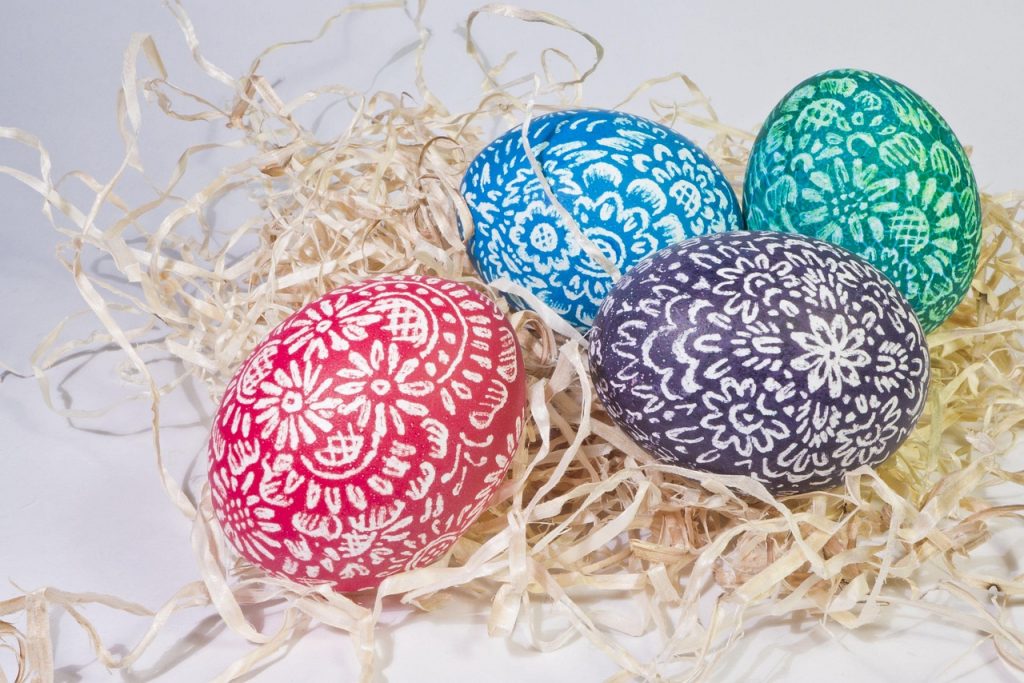
Bathing silently in the river which had magical powers has long passed. The burying of the “żur soup and herring”, typical dishes of Lent marking the end of the season, is still at least symbolically observed in some areas. For most of us though, apart from church services, it is a day for dying eggs and baking. You can read more here about the different types of egg decoration.
This day also comes with a unique touch: churches prepare beautifully decorated tombs of Christ. It’s part of the ritual to visit several of these tombs throughout Friday and Saturday. Certainly a talking point but also a quiet, reflective activity, not without a bit of local flair.
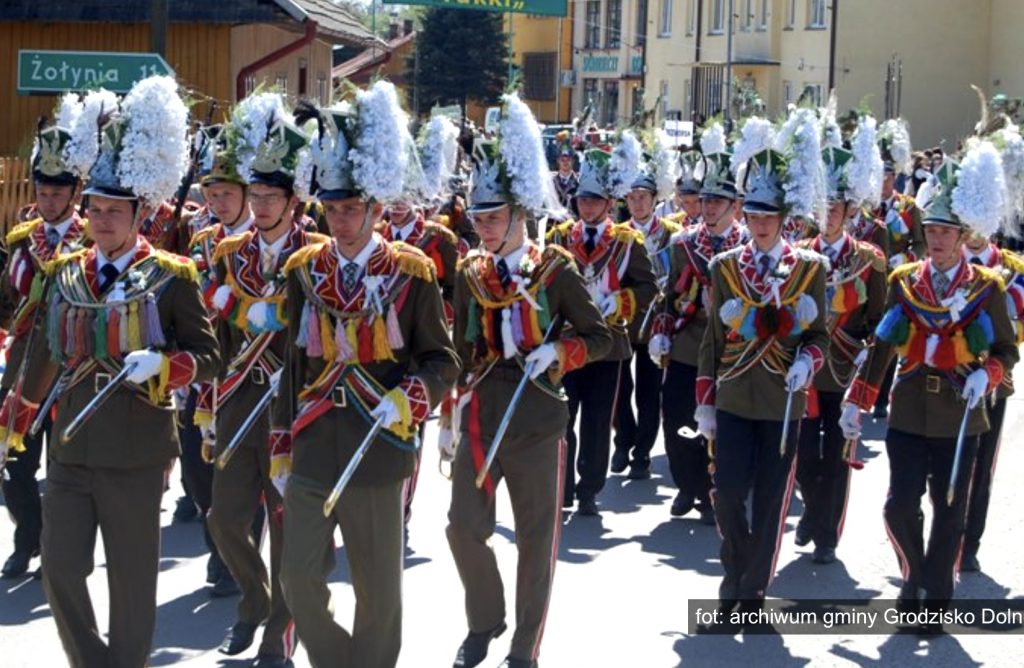
In many Polish regions you might spot the wonderfully named “Turki”. Groups of men stand guard at the tomb, in uniforms adorned with shiny braids, feathers and pom-poms.
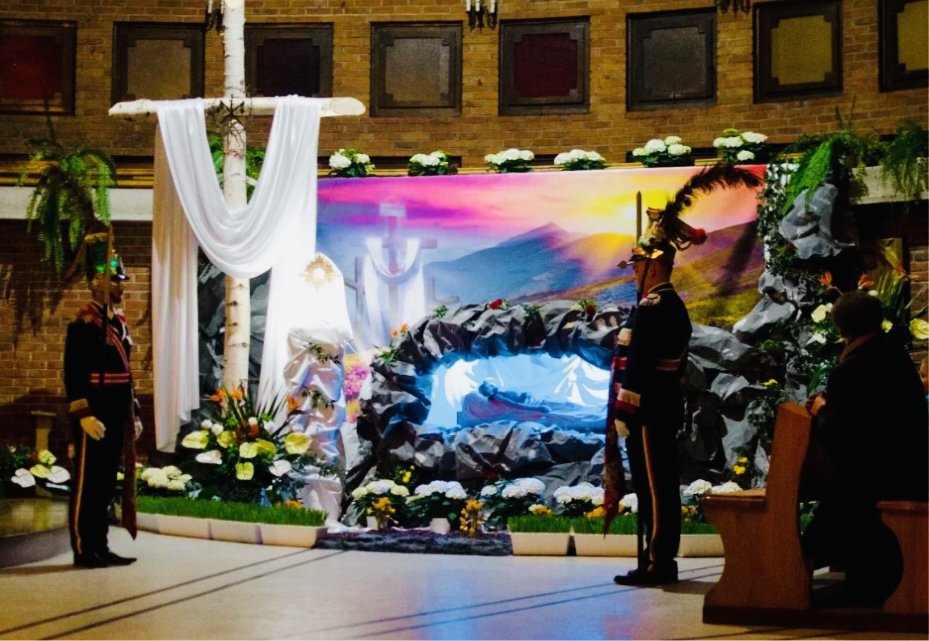
All batchelors, except for the leader, the “Elder” who, by virtue of being married, is clearly considered the wisest of the bunch. The tradition is said to date back to King Jan Sobieski’s victorious Battle of Vienna 1683 against the Ottoman Empire, when Turkish costumes were brought back as spoils of war. From Friday evening all the way through to Easter Sunday, the Turki keep watch over the tomb.
Wielka Sobota – Holy Saturday
Saturday of course is the day of blessing your Easter baskets by a priest, filled to the brim with sausage, eggs, bread and cake, ready for the Easter breakfast. After the ceremony, baskets once had to be carried around the house three times—this marked out a protective circle and was meant to bring good fortune.
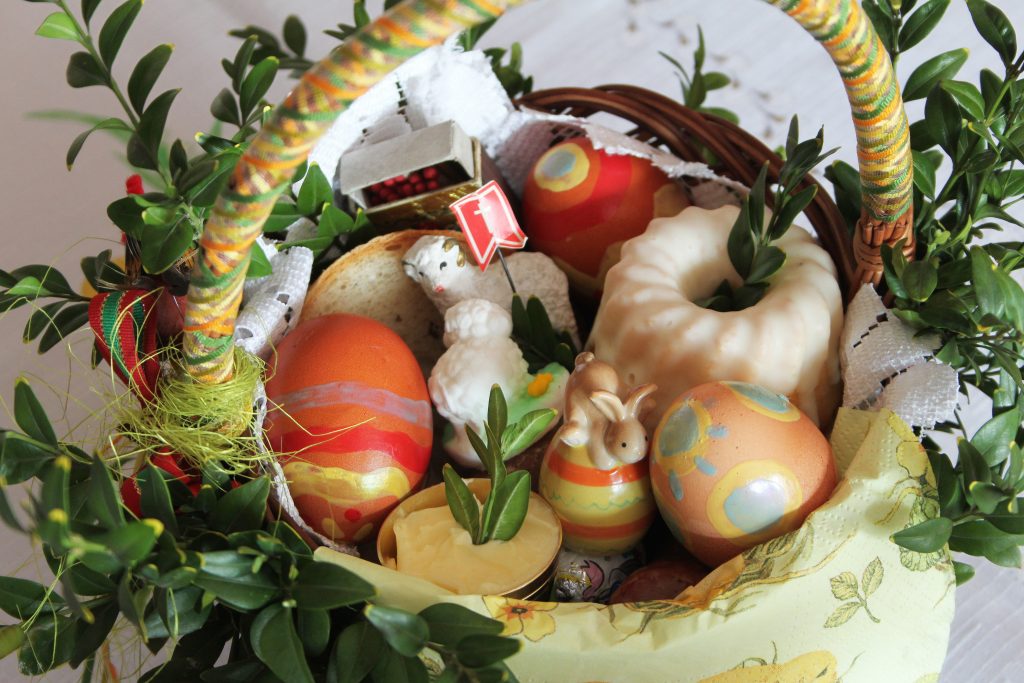
Unmarried women were encouraged to rush home first with the basket, to ensure a quick marriage. Blessed eggs, when buried in fields and gardens, would ensure a good harvest. They were even buried under the cornerstone when houses were built so that happiness and prosperity would never leave the home.
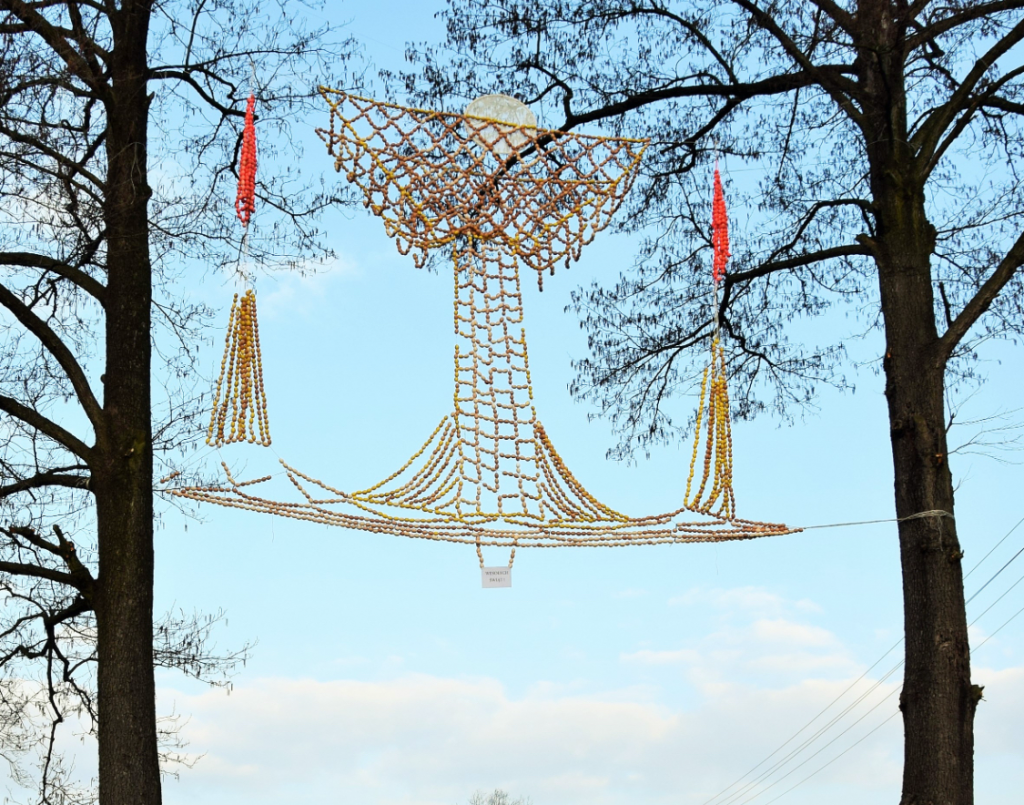
As evening approaches in Borki Małe, Opole region, twelve bachelors appear, named the “Krzyżoki” (from Krzyż – the cross) symbolising the disciples. They hang an Easter gate between two trees in the centre of the village. Several thousand blown eggshells, collected throughout Lent are arranged in motifs on string. These are kept throughout the year.
Wielkanoc – Easter Sunday
The great night has arrived. Catholics flock to church and eat their magnificent Easter breakfast. The table is resplendent with babki (yeast cakes), pates, eggs, white sausage, cold meats, mazurki cakes – all decorated with greenery. One of the legends from the Mazowsze region I particularly like, is to do with coloured eggs. When Mary Magdalene went at dawn to Jesus’ tomb, she saw that it was empty, signifying his resurrection. Rejoicing, she returned home, and saw that all the eggs she had were painted red.
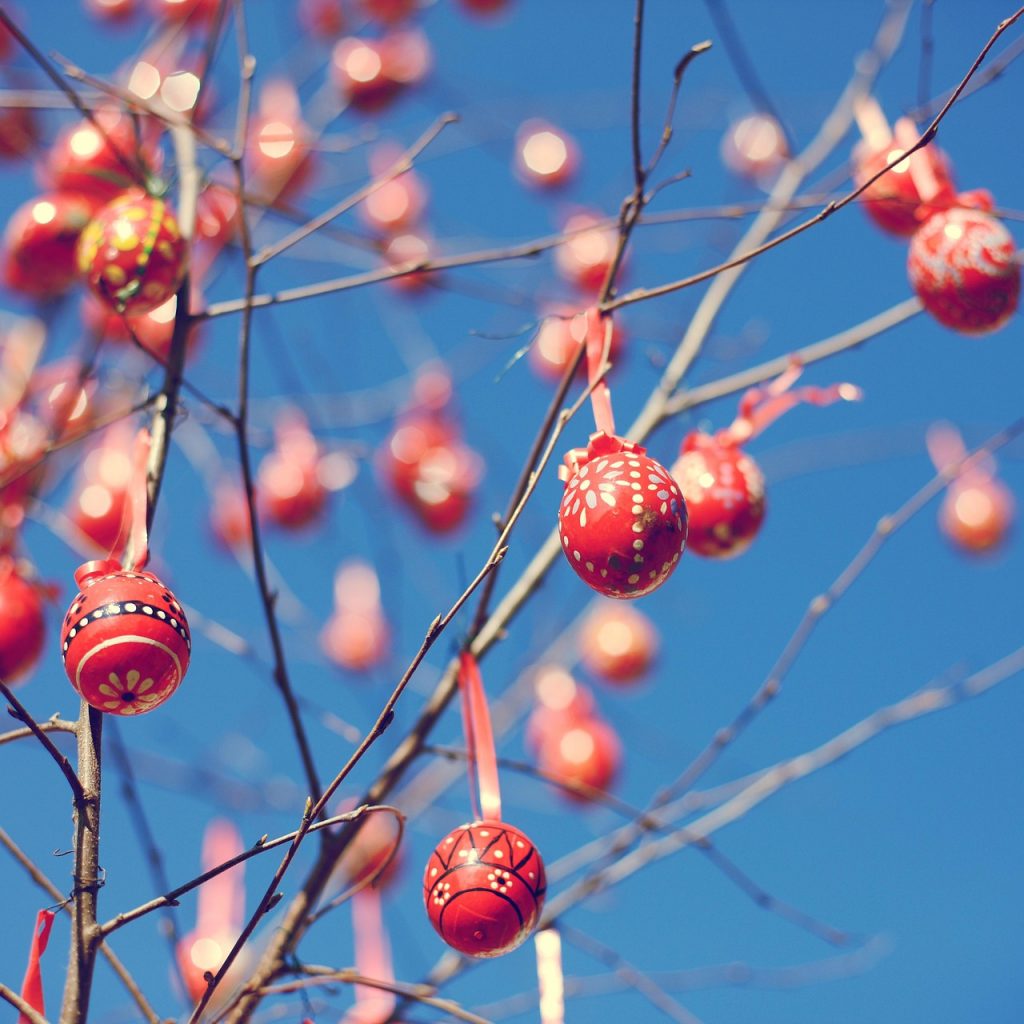
These are just a few of many unique and rich Easter traditions I found to share with you this year.
Wishing you all a joyful Easter full of blessings and happiness!
You may wish to read:
This article is written based on information amongst others from: Wielki Tydzień w polskiej tradycji i zwyczajach, Narodowy Instytut Dziedzictwa, (2023); Bieganie z kołatkami, palenie Judasza. Tradycje ludowe w Wielki Czwartek, Radio Lublin (2024).
 1.Tracing Family History pre-WW2
 2. Tracing Family History WW2