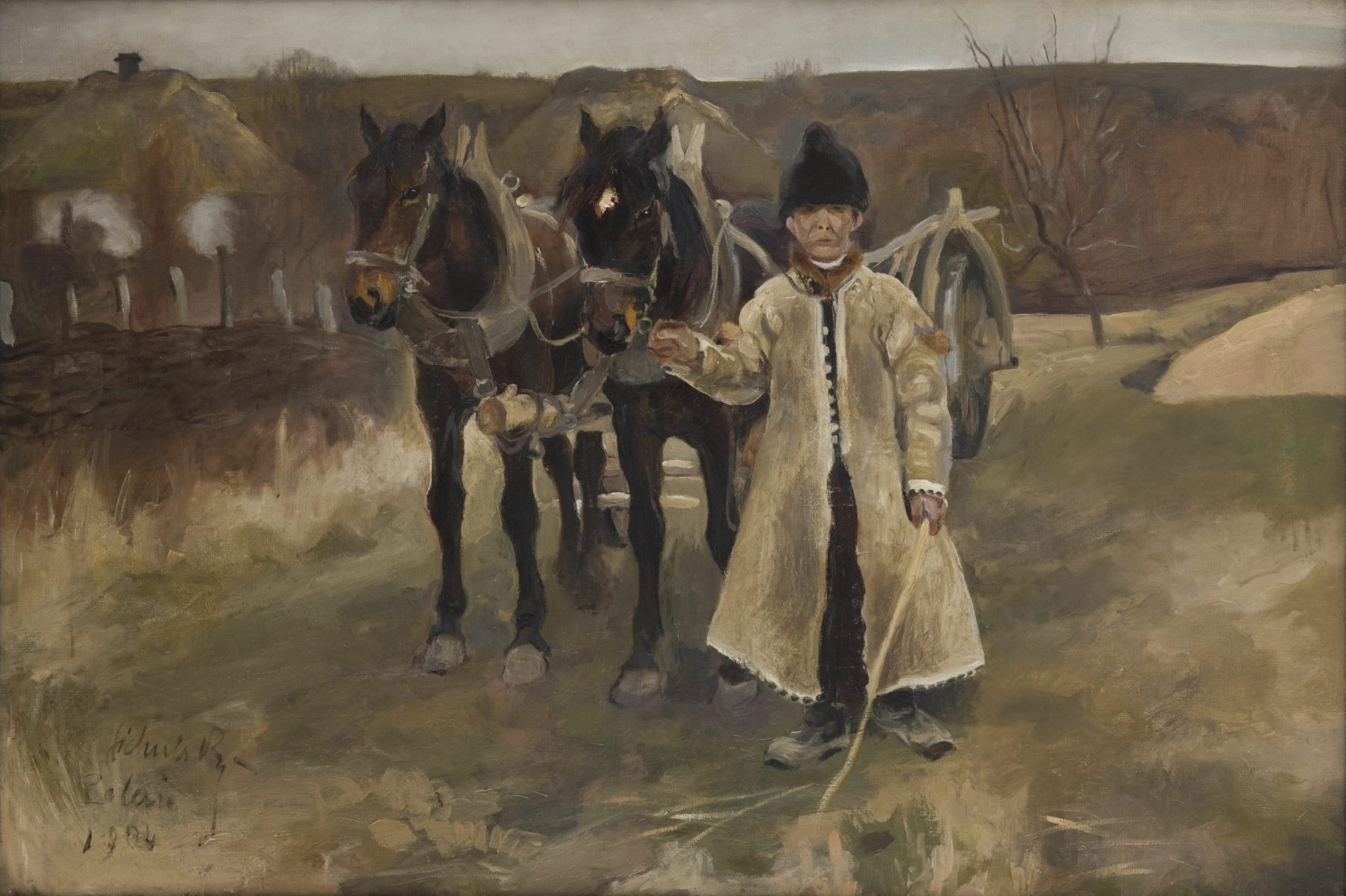
The sound of horses’ hooves once belonged to the rhythms of ordinary life in the Kresy, the Eastern Borderlands of pre-war Poland. September 1939 brought war and fierce resistance from the Poles but as foreign armies crossed the land, that familiar sound acquired a darker resonance. Each approaching column brought another regime, another set of rules and another reason to fear. Only the Kresy people suffered three successive armies during the war, each killing, burning and scarring the landscape. Three waves of deportation, forced labour and expulsion would leave a landscape and a heritage profoundly changed.
On 28 September 1939, Germany and the Soviet Union formalised their division of Poland. The Soviet Union seized the Kresy and declared that Poland had been erased from the map of Europe. Over a million Poles were deported east in inhuman conditions. Ultimately, well over two million Poles were displaced from the Kresy during the war*. This is a history often overshadowed by the initial deportations. Yet it is also my family’s history: on both sides, relatives were caught in successive waves of the war.
The Kresy — a land of culture
The Kresy stretched east of the Bug, encompassing six pre-war voivodeships and a remarkably varied landscape. 12 to 13 million people lived there, over a third of the whole population of Poland.
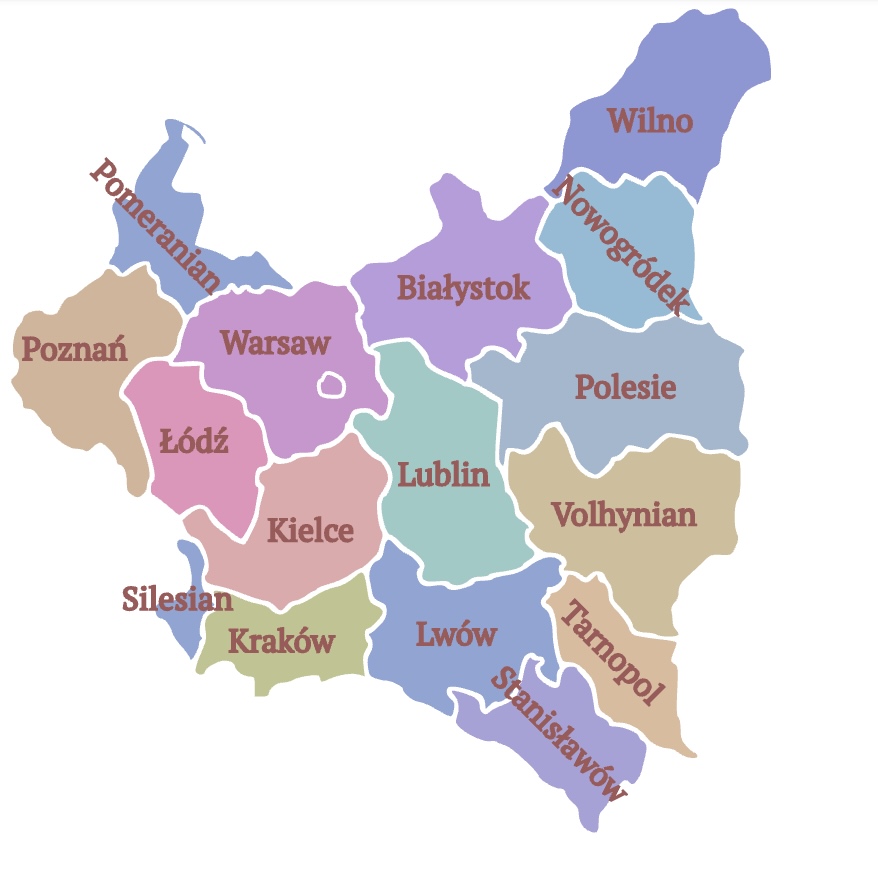
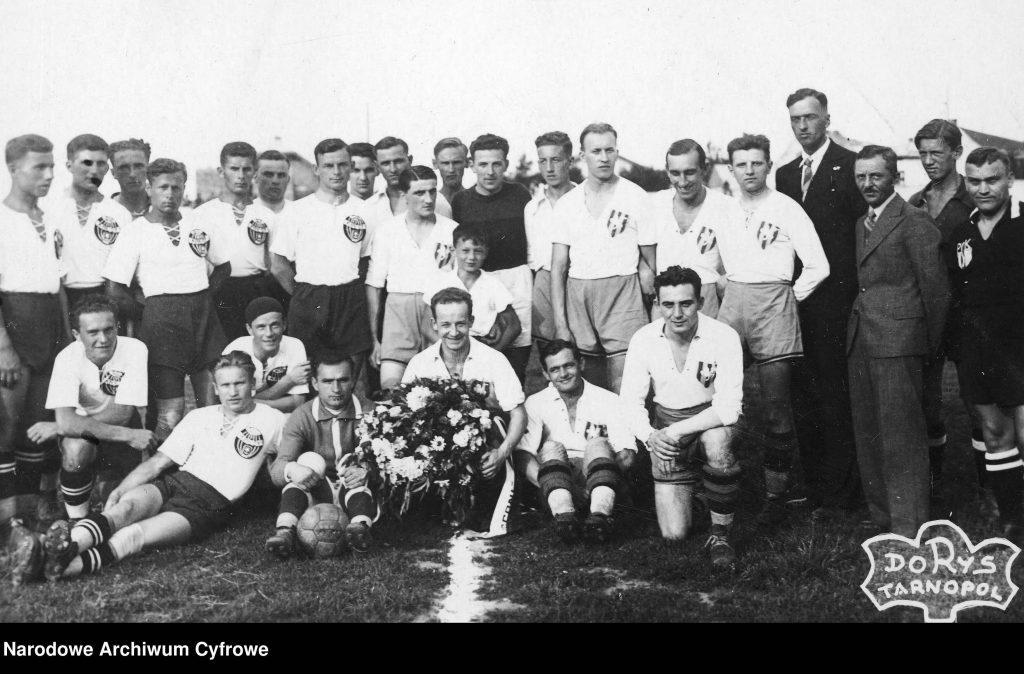
Lwów and Wilno were centres of learning and culture, their universities nurturing generations of Polish intellectuals. Lwów hosted international trade fairs, was a birthplace of Polish scouting and witnessed the emergence of some of Poland’s earliest football clubs.
From Adam Mickiewicz in Nowogródek to Eliza Orzeszkowa in Grodno, the region was woven deeply into Polish literature. As Eliza Orzeszkowa wrote of the lands around the Niemen river…. under the spreading oaks: “beats the heart of the land, remembering the past and holding hope for the future.“
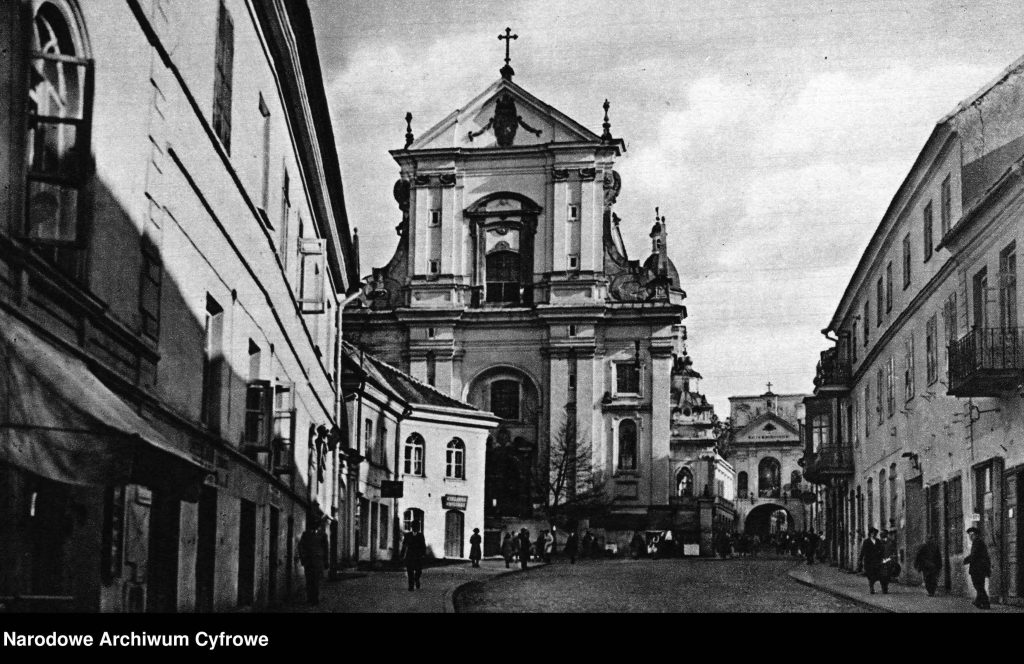
Wilno was also a spiritual centre, home to the revered image of Matka Boska Ostrobramska – Our Lady of the Gates of Dawn. The Kresy was an incredibly diverse region. Poles lived alongside Ukrainians, Jews, Belarusians and those who simply called themselves tutejsi—“from here”.
The first wave: Archangelsk, Siberia and Kazakhstan
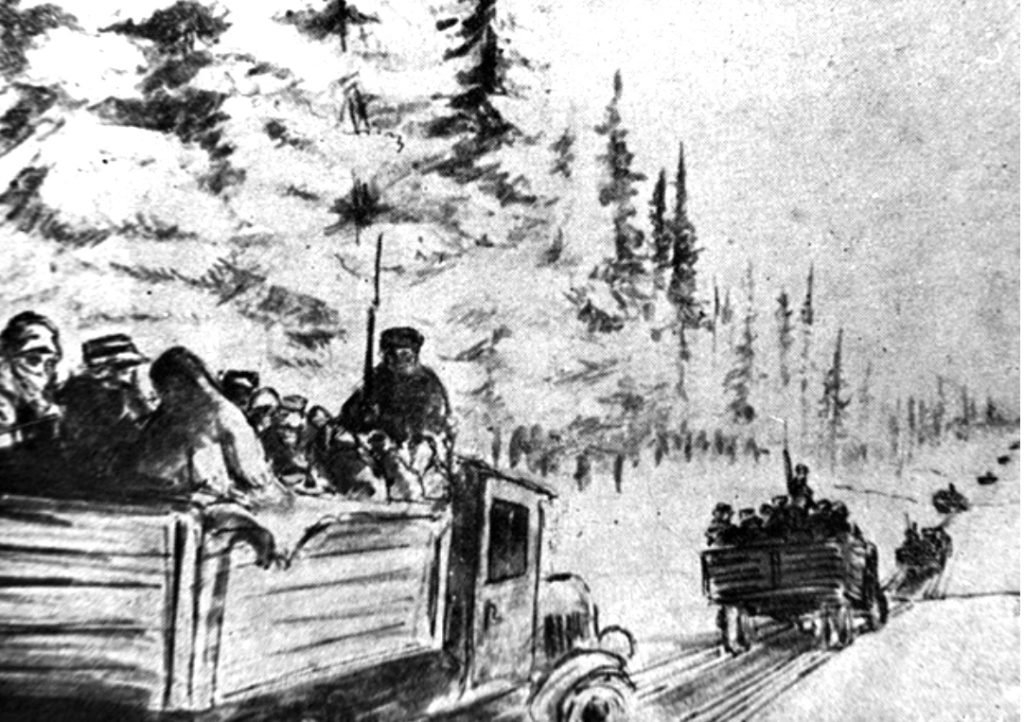
Soviet repression began swiftly in the Kresy lands, imposing communist ideologies and terror. From February 1940, in four major deportation operations, Polish citizens were seized with military precision. Government officials, military settlers, forestry workers and police officers were targeted, along with wives, children and elderly relatives.
Families were torn from their homes, often in the dead of night, given minutes to gather possessions before being crammed into overcrowded cattle wagons. Journeys lasted weeks. Hunger, cold and disease accompanied them to the forests of the far north and of Siberia, to the mines and farms in the barren expanses of Kazakhstan. My father’s family was among those deported to the Archangelsk region.
For every young child, only photographs hastily snatched, letters and family stories helped preserve a sense of the Kresy homeland, its traditions and culture. For more on this do read the survivors’ stories(click here). Among the victims were the wives and children of 22,000 officers who had already been murdered at Katyń and other sites in Soviet Russia. Some deportees, eventually found their way into the Polish Forces in the West, having been ‘released’ from the camps when the Soviets joined the Allies. Whilst a few eventually returned to Poland, many thousands died and most settled far from their homes, forever destroyed and under communist rule.
The second wave: forced labour under German occupation
In June 1941 Germany invaded the Soviet Union and soon their soldiers marched into the Kresy and occupied the lands. Polish civilians faced requisitioning, arrests and forced labour. More than 1.5 million Polish citizens were deported to the German Reich for work, including an estimated 235,000 from the Kresy*.
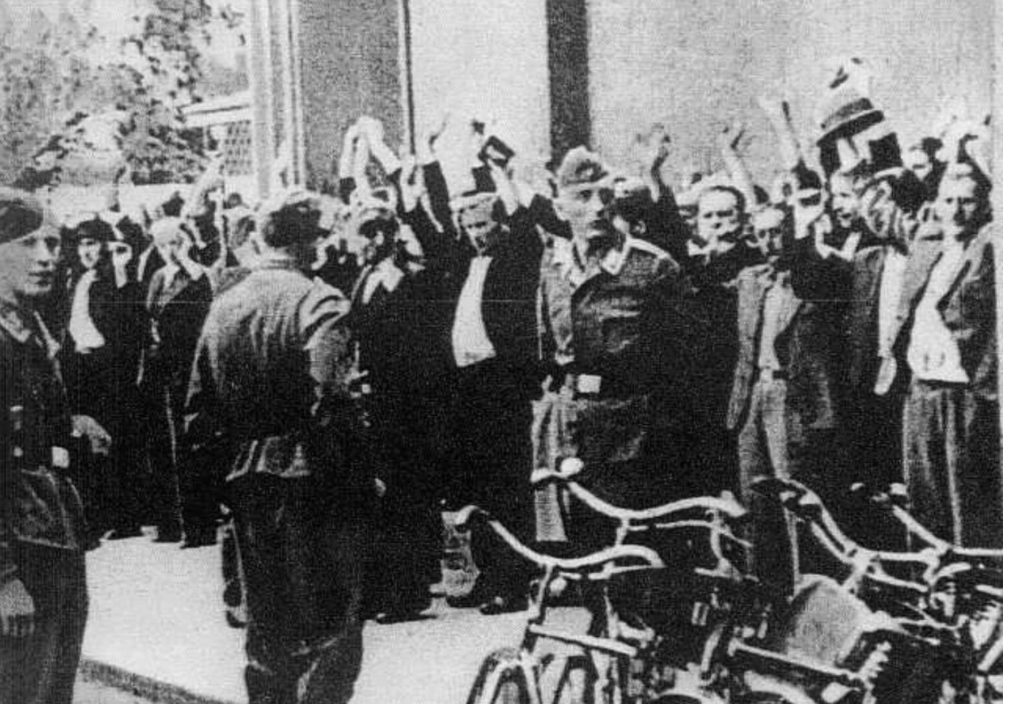
From 1943 this recruitment intensified, with some victims barely fourteen. Many were swept up in street round-ups or taken from their homes and sent to farms, factories and workplaces across Germany. Often their families were threatened with imprisonment or being sent to concentrations camps if they young person refused. My grandfather was arrested and sent to a labour camp in 1943. Food was scarce and conditions brutal. Jadwiga Kuliczkowska-Aścik recalled being fifteen and living four to a bunk, queuing for “a bowl of soup, a mug of coffee, and a slice of bread”.
Meanwhile, the murder of the Kresy’s Jewish populations by the Nazi Germans, often close to their homes, transformed towns and villages forever. The Holocaust erased communities that had existed there for centuries. The southern Kresy were also engulfed by the horrific ethnic cleansing which the Ukrainians carried out in Wołyń, Stanisławów and Tarnopolskie regions, whilst the German occupiers looked on. Around 100,000 Poles were brutally murdere, while hundreds of thousands fled their homes. My great-grandparents and great-aunts escaped the town of Równe on an overcrowded train heading west just which what they could carry.
The third wave: Persecution to move west
As the Germans were pushed back on the Eastern front and the Soviet armies returned to the Kresy, another destructive front crossed the lands. At the final conference at Yalta in February 1945 between the three Allies, Stalin was allowed to dictate Poland’s borders, shifting them westwards. The Kresy would remain within the Soviet Union. Soviet strategy was also that millions of its Polish inhabitants would be transferred to the truncated Polish state and resettled in territories allocated to Poland from Germany.
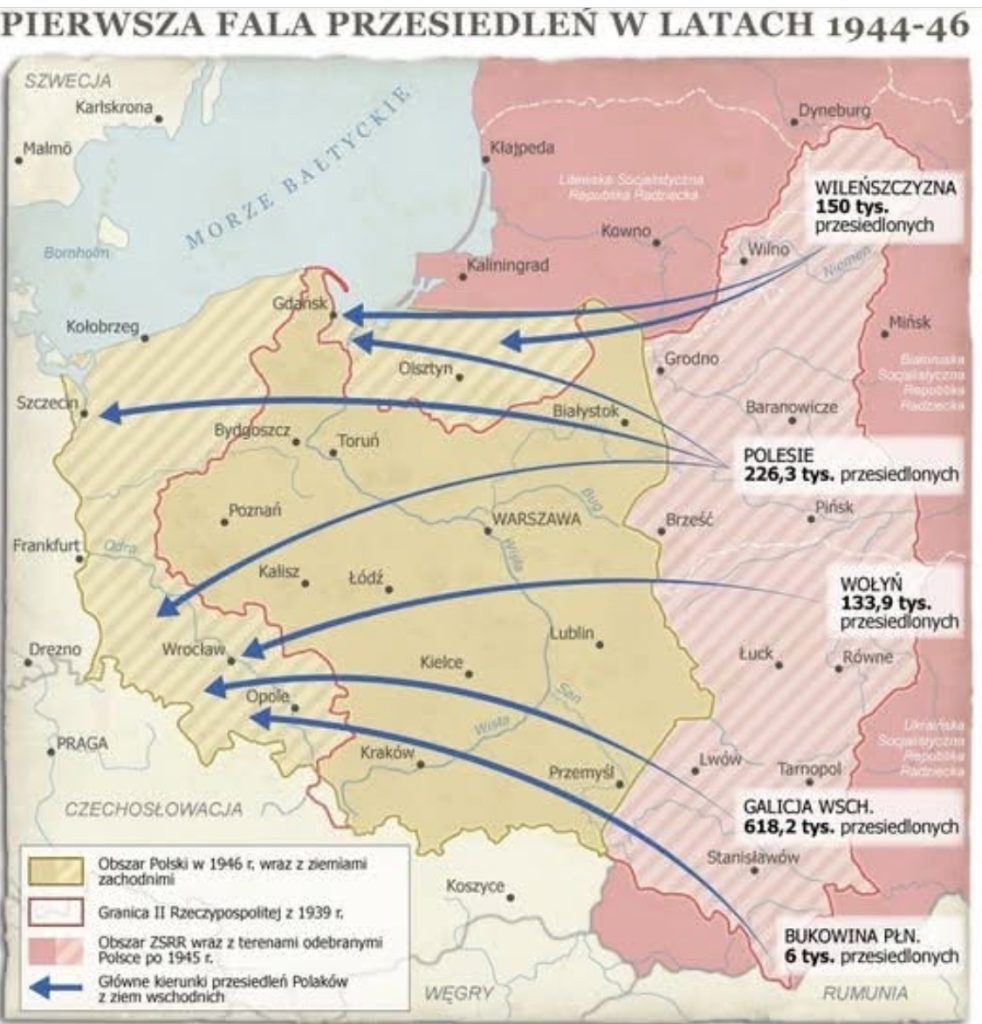
The Soviet system began to be brutally imposed in the Kresy lands. Nearly 200,000* men were forced into the Soviet army, “liberating” Poland. Any remaining Polish schools, churches and cultural buildings were shut. From 1944 onwards, Polish inhabitants were coerced into “repatriation” to the new Poland. More than 80% left, especially from towns and cities – from 106,497 living in Wilno, about 90,000 left. For most, they were leaving their ancestral lands, whose families had lived there for centuries.
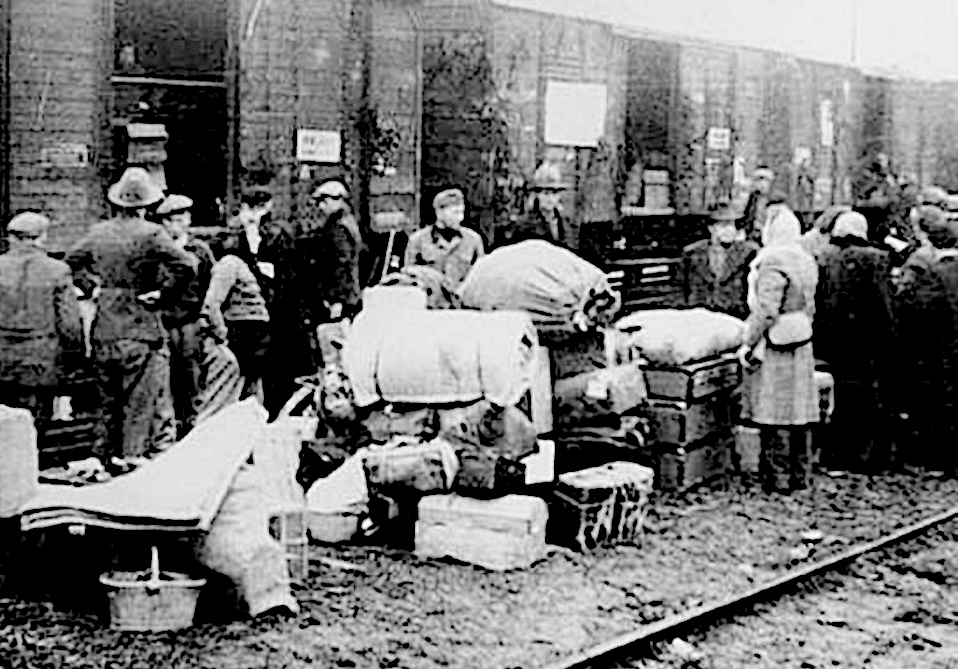
Between 1944 and 1946, cattle trains carried families westwards. Some household items and animals were allowed to be taken onto the trains. In the turmoil of war, these journeys could go on for several days or weeks with no choice as to the final destination.
Upon arrival in the “newly recovered Polish towns and villages”, they were met with abandoned dwellings and possessions, towns destroyed by bombing. The German population had only just been repatriated west. Homes and apartments were not safe, some didn’t have doors. Families had to leave someone at home whilst they were at work, to ensure that someone else didn’t requisition them. My mother and my grandmother left Wilno on one of the last transports in 1945, to the outskirts of Wrocław which was so full of refugees, that no one was allowed to leave the train and it was diverted to Kraków.
Of course “The longing was immense. When they sang those songs [of homeland], I would just sit there and cry—my mother did too—and Dad would walk out; he’d walk out because he couldn’t bear it.” Katarzyna Burczak, repatriated from Talachury village.
A homeland carried in memory
The story of the Kresy is therefore more than a story of shifting borders. It is a story of people. People who lost houses, farms and possessions. Children who grew up thousands of miles from where they were born. Families like my mother and her parents, separated by war and occupation. Those repatriated now lived in a country whose borders and character had been transformed for ever. Poland emerged from the war as a nearly ethnically homogeneous state, in line with Stalin’s vision and ideology.
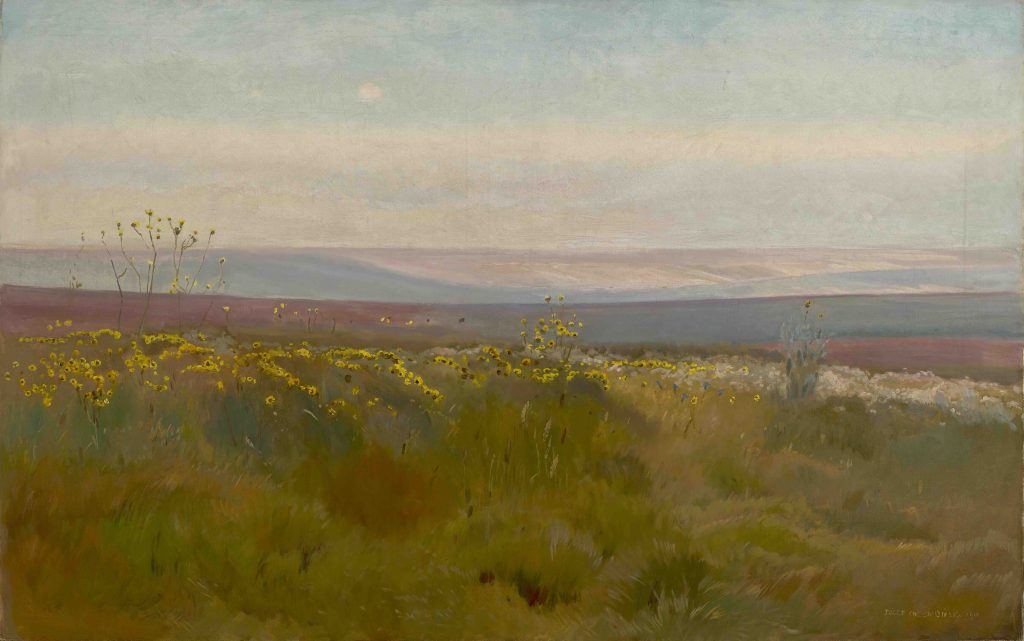
The Kresy not only disappeared from the map of Poland but a significant part of its history and cultural heritage was lost forever. It did not, however, disappear from the memories of those who had lived there. We know the names of those villages and streets, we know the stories of how life was lived. Their memories, though fragmented, lives on both in national heritage and personally within our families.
Some of the sources for this article:
- https://przystanekhistoria.pl/
- Polesie – Sichulski, Kazimierz, Muzeum Narodowe w Krakowie, public domain
- “Zaburzanie”, documentary film TVP 2011 Director: Tadeusz Litowczenko
- archiwumkresowe.pl -Z Kresów Wschodnich II RP na przymusowe roboty w Niemczech 18/9/2020
- Polskie Radio – Kresy Wschodnie. Przez II wojnę światową Polska straciła niemal pół terytorium
- https://agad.gov.pl/kresy/index.html
- https://pocztowki-schneidemuhl.pila.pl/wielka-wedrowka-polakow-z-kresow-wschodnich-1944-1946/
*Figures from IPN – the Institute of National Remembrance
The featured image is: Polesie – Kazimierz Sichulski 1904 / Muzeum Narodowe w Krakowie.

 1.Tracing Family History pre-WW2
 2. Tracing Family History WW2